

If you are searching for the best A2 Cow Ghee in India, you are not alone. Many people today want clean, traditional foods, but feel confused by modern marketing claims. Ghee, once a daily staple in Indian kitchens, now raises questions about weight gain, cholesterol, and digestion. This confusion has made people curious about A2 ghee, and rightly so.
So let’s clear the noise and focus on facts. This guide explains what is A2 ghee, how it differs from normal ghee, how it is made, and what science and tradition actually say about its health benefits.
What does A2 Ghee mean?
To understand the A2 ghee meaning, we must start with milk proteins.
Milk contains beta-casein protein, which exists mainly in two forms:
- A1 beta-casein
- A2 beta-casein
What is A2 ghee? A2 ghee is clarified butter made exclusively from milk that contains only A2 beta-casein protein. Indigenous Indian cow breeds naturally produce A2 milk, while many crossbred or foreign cows produce A1 or mixed milk.
When ghee is prepared from A2 milk using traditional methods, it is known as A2 cow ghee or A2 desi ghee.
In simple terms:
A2 ghee = ghee made from A2 milk of desi cows
No blending. No shortcuts.
What Is A2 Cow Ghee and Why Indigenous Cows Matter
What is A2 cow ghee depends entirely on the cow’s genetic makeup. Indian breeds such as Gir, Sahiwal, Red Sindhi, and Tharparkar produce A2 milk naturally.
Research published by the National Center for Biotechnology Information (NCBI) explains that A1 beta-casein may release a bioactive peptide called BCM-7 during digestion, while A2 beta-casein does not. Scientists continue to study this difference, but many people report easier digestion with A2 dairy products.
This explains why traditional Indian diets always preferred ghee from indigenous cows long before modern nutrition science existed.
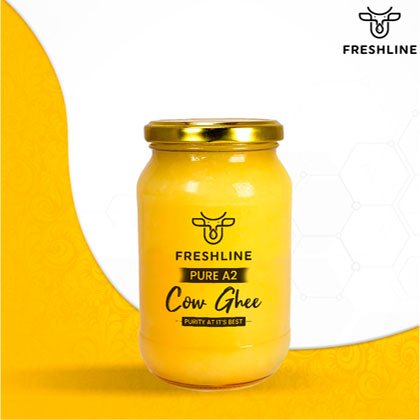
A2 Ghee vs Normal Ghee: Key Differences Explained
Understanding the difference between A2 ghee and normal ghee requires looking beyond labels.
1. Source of Milk
- A2 ghee: Made from milk of desi cows with A2 protein
- Normal ghee: Often made from mixed or A1 milk
2. Protein Composition
- A2 ghee: Derived from A2 beta-casein milk
- Normal ghee: May include A1 beta-casein derivatives
3. Digestibility
Many people find A2 ghee easier to digest, especially those sensitive to dairy. This does not mean regular ghee is unhealthy, but digestion responses differ from person to person.
4. Traditional Processing
Most authentic A2 ghee uses the bilona method, while regular ghee often uses faster commercial processes.
When people compare A2 ghee vs normal ghee, the real difference lies in cow breed, milk quality, and processing method.
The Traditional Bilona Method: Why It Matters
The bilona method plays a major role in the nutritional value of A2 ghee.
Step-by-Step Bilona Process
Step 1: Sourcing Pure A2 Milk: Producers collect fresh A2 milk from indigenous cows.
Step 2: Natural Curd Formation: They boil the milk, cool it, and ferment it naturally into curd.
Step 3: Hand Churning (Bilona): They churn the curd slowly using a wooden churner to extract butter.
Step 4: Slow Clarification: They heat the butter gently over a low flame until it turns into golden ghee.
This slow process preserves flavour, aroma, and fat-soluble nutrients. Ayurveda texts like Charaka Samhita reference this method for daily nourishment and therapeutic use.
A2 Ghee Benefits: What Science and Tradition Agree On
Let’s explore A2 ghee benefits without exaggeration or false promises.
1. Supports Digestion: A2 ghee contains short-chain fatty acids like butyrate, which research from Harvard T.H. Chan School of Public Health links to gut lining support and digestive health.
2. Improves Nutrient Absorption: Ghee helps the body absorb fat-soluble vitamins such as A, D, E, and K when consumed with meals.
3. Provides Stable Cooking Fat: A2 ghee has a high smoke point (around 250°C), which makes it suitable for Indian cooking without breaking down into harmful compounds.
4. Supports Energy and Satiety: Healthy fats promote fullness, which may help reduce unnecessary snacking when consumed in moderation.
These are practical A2 ghee health benefits, not miracle claims.
A2 Ghee vs Regular Ghee: Clearing Common Myths
Let’s address popular misunderstandings:
- A2 ghee does not cure diseases
- It does not guarantee weight loss
- A higher price does not mean instant health
The A2 ghee vs regular ghee discussion should focus on digestibility, sourcing, and traditional value, not hype.
Organic A2 Ghee: Does Organic Certification Matter?
Many consumers prefer organic A2 ghee because organic standards ensure:
- Chemical-free cattle feed
- No synthetic hormones
- Better animal welfare practices
Organic certification improves transparency and trust, which matters when building long-term dietary habits.
A2 Ghee Price: Why Is It Higher?
People often ask about the A2 ghee price. The cost reflects:
- Lower milk yield from desi cows
- Labor-intensive bilona method
- Ethical and small-scale production
You pay for process, purity, and traceability, not branding.
How to Choose the Best A2 Ghee in India
When buying A2 Cow Ghee Online in India, check for:
- Clear mention of the indigenous cow breed
- Bilona or the traditional method
- Lab testing and transparency
- Source location and reviews
Brands with verified locations and reviews, such as Freshline Dairy, allow customers to confirm authenticity through their Google My Business profile.
This level of transparency builds trust and helps identify the Best A2 Ghee in India.
Where to Buy A2 Ghee Safely
Today, you can find the best A2 Cow Ghee in India through trusted local dairies and verified online platforms like Freshline Dairy. Always prioritize authenticity over discounts.
Avoid products that hide sourcing details or use vague labels.
Final Verdict: Is A2 Desi Ghee Worth It?
If you value traditional food wisdom, clean sourcing, and better digestion, A2 desi ghee fits well into a balanced diet. It works best when consumed mindfully, not excessively.
What is A2 ghee really about?
It represents a return to food clarity, not a health trend.
Eat smart. Choose consciously. And enjoy your ghee, without fear.
Leave a Reply